
Renting out your home can be a smart financial move, offering the potential for rental income, tax benefits, and property value appreciation.
But how do you navigate the rental process to ensure success?
Whether you’re a seasoned real estate investor or a first-time landlord, this step-by-step guide will walk you through the essential steps to rent out your house effectively.
Preparing Your Home for Renting
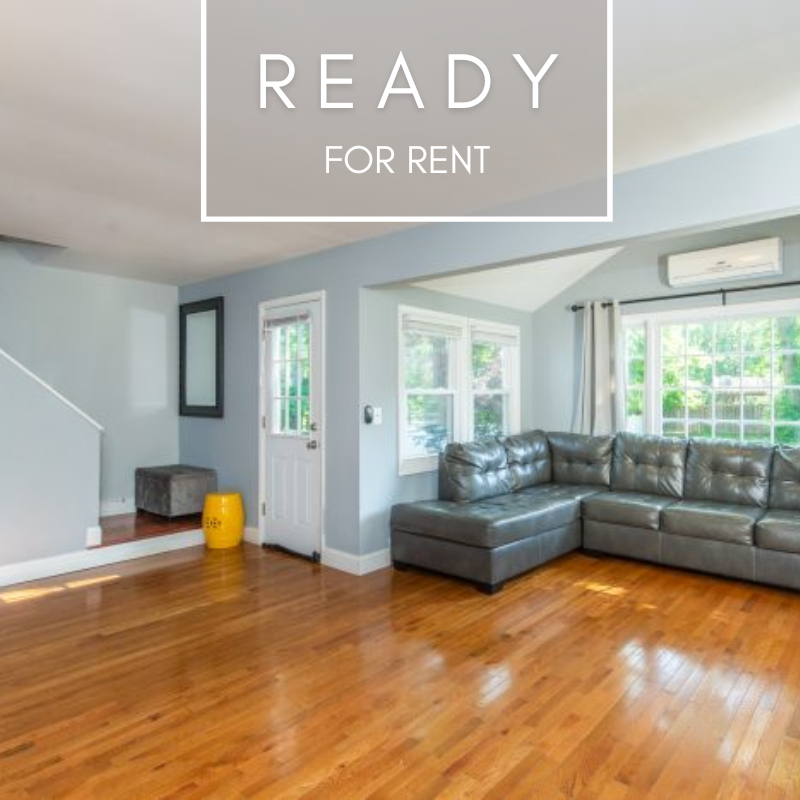
Before your home can start earning rental income, it needs to be in tip-top shape. Tenants are looking for a place that is not only comfortable but also safe and functional.
As experts in New Jersey real estate, Realty Empire NJ understands the importance of presenting a home that meets or exceeds renters’ expectations.
Assessing Your Home’s Condition
The first step in renting out your home is to make an honest assessment of its condition. Look at your property through the eyes of a potential tenant.
Once you’ve assessed your home, it’s time to make necessary repairs and consider upgrades that can increase its rental appeal.
Fixing leaky faucets, patching holes, and ensuring all appliances are in working order are just the basics. Upgrades like a fresh coat of paint or updated fixtures can also go a long way in attracting tenants.
Determining the Right Rental Price
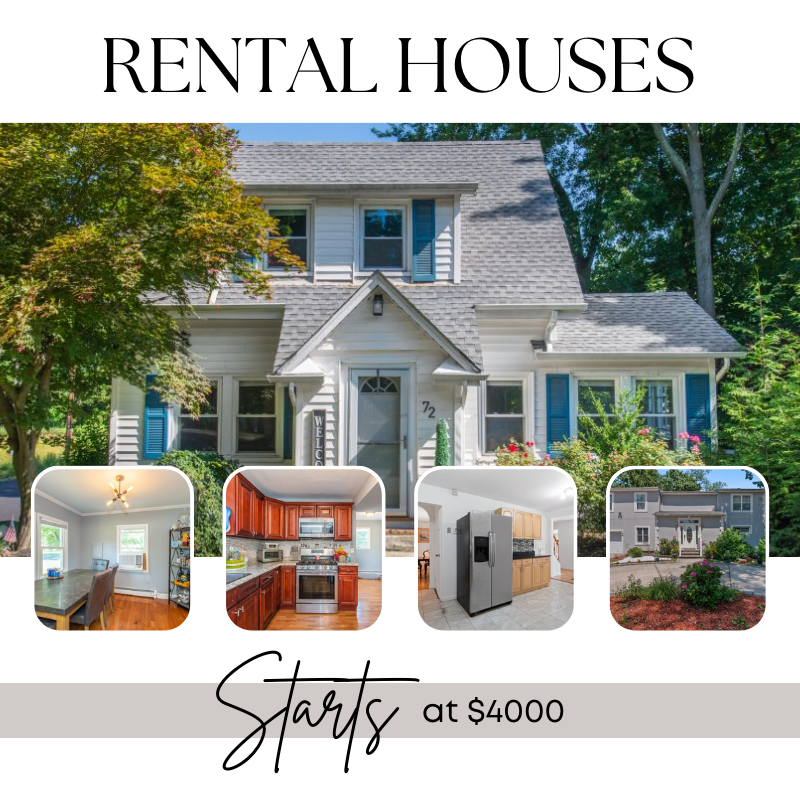
Setting the right rental price is crucial to attract tenants and ensure your investment is profitable. Price it too high, and you risk extended vacancies; too low, and you may miss out on potential income.
Analyzing the Local Rental Market
To determine a competitive rent price, start by analyzing the local rental market. Look at similar properties in your area and what they are charging. Location, property size, and amenities play a significant role in setting a fair market rent.
Considering Your Costs and Desired Profit
Your rental price should reflect the market rate and cover your costs to generate a desired profit. Tally your monthly costs—mortgage, property taxes, insurance, and maintenance—and add your profit goal to find a fair rent that meets your financial aims. A realistic price is essential for attracting and retaining quality tenants.
Marketing Your Rental Property
As you embark on the journey to rent out your home, marketing becomes a pivotal step. A well-marketed rental property attracts more potential tenants and also fills the vacancy faster.
Creating an Appealing Listing
A compelling rental listing is crucial for your rental property’s first impression. Capture high-quality photos to highlight the best aspects of your home, craft a descriptive headline, and provide an in-depth description, emphasizing amenities, size, and unique traits like a quiet street or large living space. Your goal is to help prospective tenants visualize themselves on your property.
After that, leverage online and offline advertising channels to spread the word about your rental and expedite finding your ideal tenant.
Screening Potential Tenants

Securing the right tenant goes beyond just filling a vacancy—it’s about a reliable tenant-landlord match. A detailed screening process, including checking credit scores, employment and income verification, and references from former landlords, is vital.
At Realty Empire NJ, we emphasize the need to screen potential tenants carefully to ensure timely monthly rent payments and property care, protect your investment, and stabilize rental income.
Drafting a Comprehensive Lease Agreement
A comprehensive lease agreement is the foundation of a clear and legally binding relationship between landlord and tenant.
Including Essential Terms and Conditions
Make sure your lease agreement includes essential terms such as rent price, security deposit, lease duration, policies on pets, subletting, and late payments. Outline maintenance responsibilities and repair requests. Also, include clauses on inspections and deposit returns. This clarity prevents future disputes.
Ensuring Compliance with Local Laws
Your lease agreement should follow all applicable laws, including the Fair Housing Act. In New Jersey, consult a real estate attorney to ensure your lease is comprehensive and legally compliant. It’s important to be aware of specific regulations that apply to rental properties.
Managing Your Rental Property

An effective property management plan is crucial for maintaining the value and profitability of your rental investment. Success in this area requires regular maintenance and repairs and a commitment to tenant satisfaction.
Regular Maintenance and Repairs
Maintain rental property to preserve condition and value by:
- Regular landscaping, leak checks, and HVAC servicing.
- Addressing tenant repair requests promptly for satisfaction and legal compliance.
- Setting aside a portion of rental income for unexpected maintenance expenses.
Handling Tenant Issues and Communication
Effective communication is vital for managing tenant concerns and fostering a harmonious landlord-tenant relationship. Use emails or a property management platform and respond promptly. Open communication leads to swift problem resolution and builds trust, which is invaluable for long-term tenancy and the overall success of renting out your house.
Deciding Between Renting or Selling Your Home
Deciding whether to rent or sell your home is a significant decision that depends on various factors, including market conditions, personal financial goals, and your willingness to take on the responsibilities of being a landlord.
Renting out your home can provide ongoing income and potential tax benefits, while selling might offer immediate financial gain.
Consider consulting with our experts at Realty Empire NJ, by calling 973-510-2260 to weigh the pros and cons and determine the best course of action for your specific situation.
Frequently Asked Questions
What are the legal requirements for renting my home?
When renting out your home, you must adhere to landlord-tenant laws, fair housing rules, and local building codes that govern safety, security deposits, evictions, and anti-discrimination practices. To fully understand your obligations and the tenant’s rights, consider consulting with a real estate attorney to navigate the legal intricacies involved.
How can I minimize vacancies in my rental property?
To reduce rental vacancies, maintain your property, set a competitive price, and market it effectively. Stay informed about the local rental market trends to meet renter demands. Implement a thorough tenant screening to secure reliable occupants who are likely to renew leases. Fostering positive relationships with your tenants can lead to longer stays and lower turnover costs.
Related Posts

Real Estate 101: Who Pays the Realtor Fees?
Navigating Costs When Buying or Selling a Home As you embark on…

Selling Your Home
Are you looking for an experienced agent to help you sell your…

Buying a Home
You can count on Realty Empire to guide you on your exciting…